
My big fat Afghan family
Hi customer-obsessed friends,
Lately, I've been reflecting a lot on hospitality. I grew up in an Afghan household where our culture is deeply rooted in the tradition of hospitality. I watched how my parents treated every person who entered our home—always with genuine warmth and respect. Meals were served in multiple courses, and great stories were exchanged over cups of chai. Anyone who visited could expect to leave with a full belly and food to take home. Nothing could top the experience my parents created.
I reference the movie “My Big Fat Greek Wedding” often because their culture and family dynamic are similar to what I grew up with. Toula says she has 27 first cousins. I have over 30 first cousins. The “Meet The Family” scene always cracks me up. Maybe that type of hospitality is overwhelming for some but it’s also memorable!
For a lot of cultures, it’s not performative. It’s cultural DNA. This tradition of generous hospitality transcends socioeconomic boundaries. Whether a family has little or much, they'll share what they have with their guests. You honor your guests with the best you can offer. That's what I was always taught.
The more I’ve worked in CX, the more I’ve realized that the best customer experiences feel exactly like what good hospitality in someone’s home feels like: genuine, generous and memorable.
What’s the most memorable act of hospitality you’ve ever experienced?
⬅️ LESSONS FROM HOSPITALITY CULTURE
Your CX hospitality principles
So what can we learn from hospitality traditions around the world? A lot, actually.
🏠 Make every customer feel like a welcomed guest
In Afghan culture, even if someone shows up unannounced, tired, or demanding, they’re still treated with respect and care.
In CX terms, this means every customer interaction—whether it’s their first purchase or their fifth complaint—should feel welcoming. Your frustrated customer isn’t an interruption to your day; they’re giving you the gift of feedback and the chance to make things right.
🍃 Anticipate needs before they’re expressed
Great hosts don’t wait to be asked. They notice when someone’s glass is empty, when they look cold, or when they seem uncertain about something. They act on these observations naturally.
Now, please don't do the below to your guests (or the equivalent to your customers):
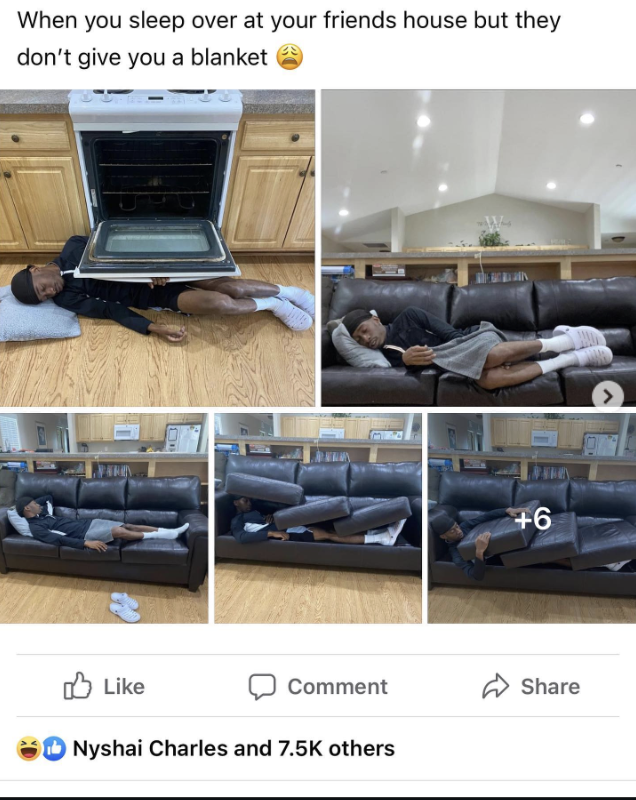
This is where those customer journey maps really come to life. What does your customer need at each stage, even if they don’t know to ask for it? Maybe it’s a helpful email after they place an order, or proactive communication when there’s a delay.
🤲 Give without expecting anything in return
True hospitality is generous without keeping score. Sometimes the best CX moves don’t have immediate measurable returns. That handwritten thank-you note, the free upgrade when someone’s had a rough day, or the extra time spent understanding a customer’s unique situation—these gestures build something deeper than transactions.
🕰️ Hospitality has no expiration date
Hospitality isn’t just for the first interaction. In many cultures, once you’ve been a guest, you’re always welcome back. The relationship continues.
Your customer experience shouldn’t peak at the sale and then drop off. How are you maintaining that sense of care and welcome throughout the entire relationship? What does hospitality look like for your longtime customers?
📣 TAKE ACTION…NOW
The hospitality check-up
Pick ONE customer interaction this week and ask yourself:
If this customer were a guest in my home, how would I treat them?
What would genuine care look like in this moment?
What can I anticipate that they might need next?
The 48-hour hospitality challenge:
For the next two days, approach every customer interaction as if you’re welcoming someone into your home. Notice what changes in how you respond, what you offer, and how you follow up.
🤓 CX RESOURCES
THE book on hospitality
I'm only sharing one resource this time around because it's the most well-written book on the topic. "Unreasonable Hospitality" by Will Guidara.
While his experience is in the restaurant industry, the lessons can be applied to almost any industry. This is one of my favorite books!
🎧 WHAT I’M LISTENING TO
Mustafa: Tiny Desk Concert
Mustafa FKA "Mustafa The Poet," is a Sudanese-Canadian singer. His Tiny Desk Concert recently dropped, featuring him accompanied by a Sudanese choir. He shares stories about his family and community. I love what he says here:
"The most radical thing to do, in a community like mine, is to maintain your hope. And maintain your softness."
Check it out below.
💭 FINAL THOUGHTS
Hospitality culture teaches us that excellent service is about seeing each customer as a whole person with a story, not just a ticket number or transaction.
The most powerful CX tool you have isn’t your software or your processes (though those matter too). It’s your capacity to care, to anticipate, and to make someone feel genuinely welcomed and valued.
That’s what turns customers into advocates, transactions into relationships, and good businesses into beloved ones.
Thanks for reading.
